
Article: When Should You Order an Engagement Ring? A Practical Proposal Timeline

When Should You Order an Engagement Ring? A Practical Proposal Timeline
A proposal date can feel far away until you begin choosing the ring. You may need time to compare gemstones, confirm the correct size, decide between an engagement ring and a complete bridal set, approve custom details, and wait for the finished piece to arrive. Leaving those decisions until the final weeks can turn an exciting purchase into an unnecessary rush.
So, when should you order an engagement ring? For many made-to-order rings, starting the search two to three months before the proposal creates a comfortable planning window. The exact timing depends on the design, customization, production schedule, shipping destination and how certain you are about the ring size. A simpler in-stock choice may require less time, while a highly personalized design may need more.
This guide breaks the process into practical stages so you can plan backward from your proposal date and know which decisions deserve extra time.

The Short Answer: How Far in Advance Should You Buy an Engagement Ring?
As a general planning rule, begin researching about 8–12 weeks before you hope to propose and aim to place the order at least 4–6 weeks before the date. This is not a guarantee for every ring, but it provides room for the ordinary steps involved in a made-to-order fine-jewelry purchase.
Current GemifySpace product pages commonly display an estimated production time of approximately 1–2 weeks and estimated shipping time of approximately 1–2 weeks. Those estimates should be checked on the individual product page when you order because timing can vary by design, destination and circumstances in transit. A proposal plan should also include a buffer rather than treating the latest estimated arrival date as the proposal date.
Use this quick framework:
| Time before proposal | What to do |
|---|---|
| 8–12 weeks | Set the budget, learn the wearer’s style, compare gemstones and save favorite designs. |
| 6–8 weeks | Confirm the ring size, center-stone preference, gold color and whether a matching band is needed. |
| 4–6 weeks | Place the order and submit any engraving or customization details. |
| 2–4 weeks | Allow for production, quality checks and shipping; monitor messages and tracking discreetly. |
| 1–2 weeks | Inspect the ring, confirm the fit strategy and prepare a secure place to store it. |
| Proposal week | Recheck the ring, box and proposal logistics without making last-minute design changes. |
If your date is fixed by travel, a holiday, a family gathering or a venue reservation, add more buffer. A flexible proposal date reduces pressure, but the ring should still be ordered early enough that a carrier delay does not control the moment.
Build Your Engagement Ring Timeline Backward
The easiest way to plan is to start with the desired proposal date and move backward through four checkpoints: delivery buffer, shipping, production and decision-making.
1. Protect a Delivery Buffer
Plan for the ring to arrive at least one to two weeks before the proposal whenever possible. This gives you time to inspect the setting, make sure the order details are correct and contact the jeweler if you have a question.
A buffer is especially important when:
-
you are traveling for the proposal;
-
the date cannot be moved;
-
the order includes engraving or a gemstone change;
-
the destination may experience seasonal carrier delays;
-
someone else must receive the parcel discreetly; or
-
you need time to learn how to store or transport the ring safely.
The delivery date should not be the same day as a flight, hotel check-in or proposal reservation. Even when production runs on schedule, shipping estimates are not absolute promises.
2. Include Both Production and Shipping
An engagement ring that appears available online may still be made or finished to your selected size, gold karat, metal color and gemstone option. Production time and shipping time are separate parts of the timeline.
For GemifySpace, review the estimated delivery information shown on the product page before checkout. Many current listings show approximately 1–2 weeks for production and 1–2 weeks for shipping. Add those windows together, then add your personal buffer.
For example, if you want to propose on December 20, working backward by two weeks for a buffer, up to two weeks for shipping and up to two weeks for production suggests ordering by early November or earlier. Beginning the selection process in October would give you time to confirm the design and ring size without rushing.
3. Allow More Time for Personalization
Customization can make a ring more meaningful, but it also introduces decisions that must be correct before production begins. A gemstone substitution, special size, engraving request or design adjustment may require confirmation and may affect the schedule.
Before placing a customized order, prepare:
-
the exact US ring size;
-
preferred gold karat and color;
-
center and accent gemstone choices;
-
engraving text with spelling checked twice;
-
reference details for any approved modification; and
-
the latest acceptable arrival date.
Avoid asking for major changes after production has started. Late changes may not be possible and can disrupt the delivery plan.
Week 8–12: Decide What Kind of Ring You Are Looking For
The first stage is not about choosing the final ring immediately. It is about reducing the possibilities until the right direction becomes clear.
Set a Complete Budget
Create a budget for the finished order, not only the center stone. Consider the gold karat, accent stones, a matching wedding band, engraving, customization and any faster service you may need. A realistic total keeps you from falling in love with a design before understanding the complete purchase.
There is no universal amount that makes an engagement ring meaningful. The better budget is one that is financially comfortable and still allows you to prioritize the details the wearer will notice every day.
Identify the Wearer’s Real Style
Look at the jewelry they already choose. Do they wear warm yellow gold, soft rose gold or cool white metal? Are their accessories minimal or detailed? Do they prefer symmetry, vintage motifs, organic forms or geometric lines?
Their everyday choices are usually a stronger guide than a temporary social-media trend. If they have shared saved photos, compare the repeated features: center-stone shape, metal color, setting height, band detail and overall scale.
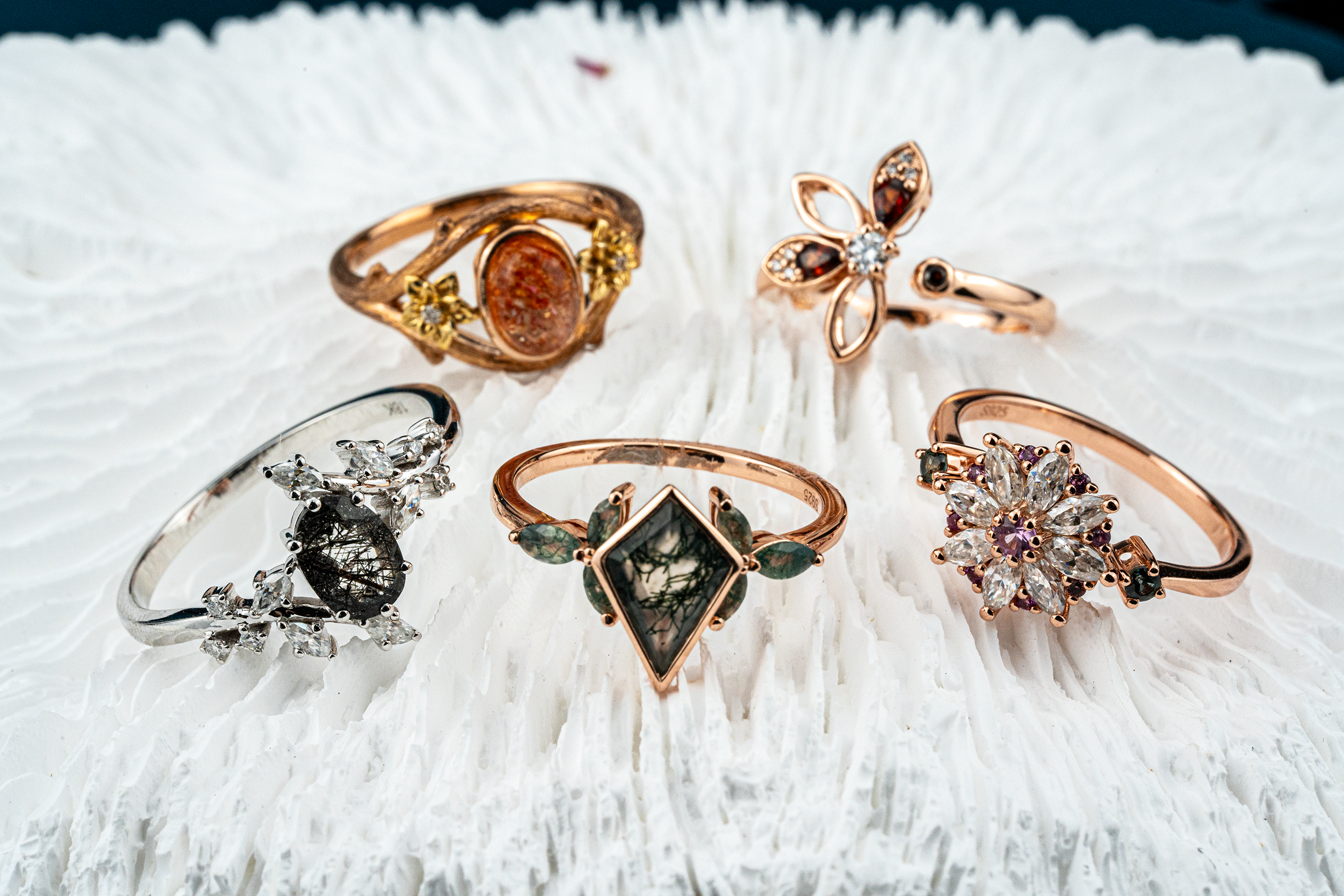
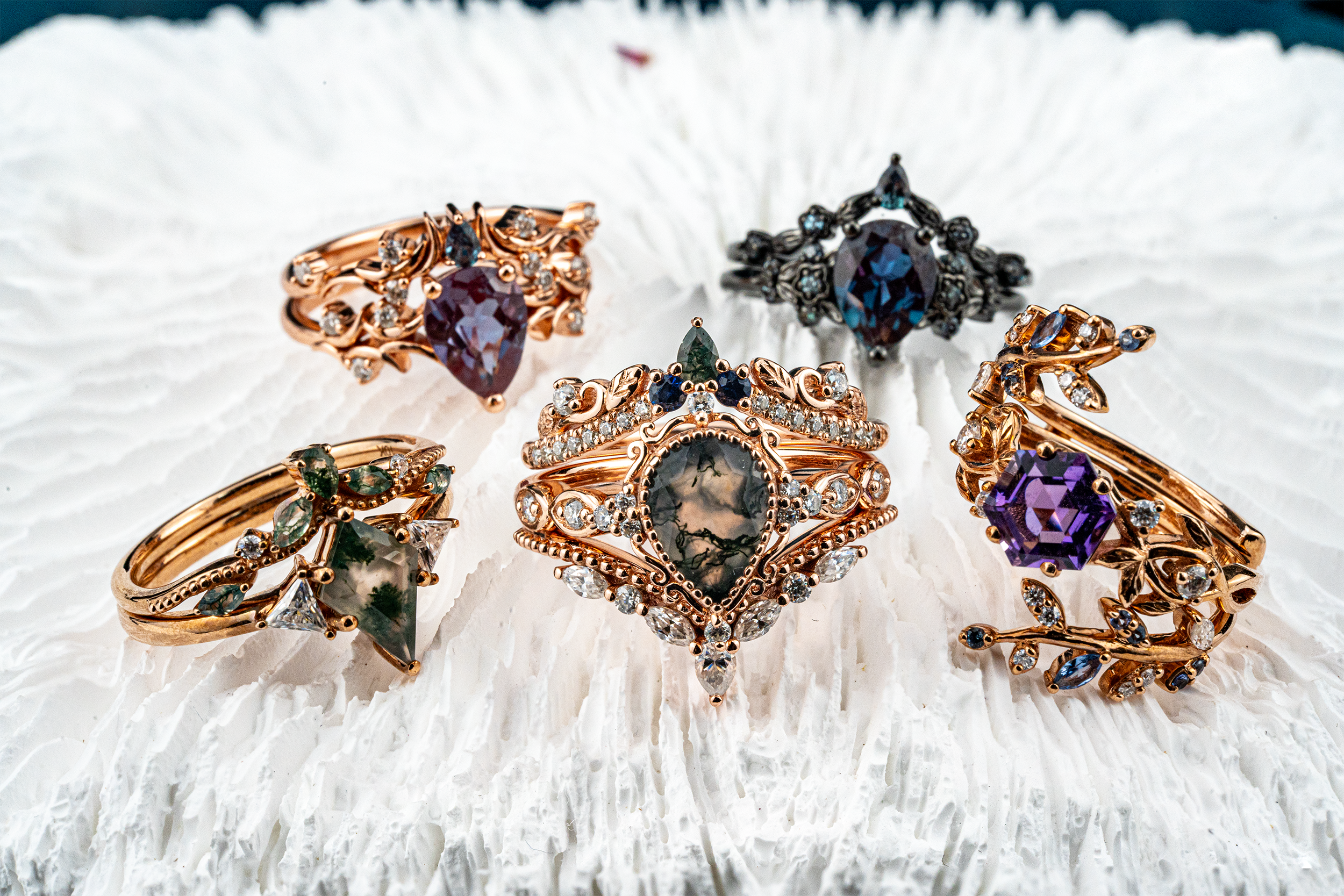
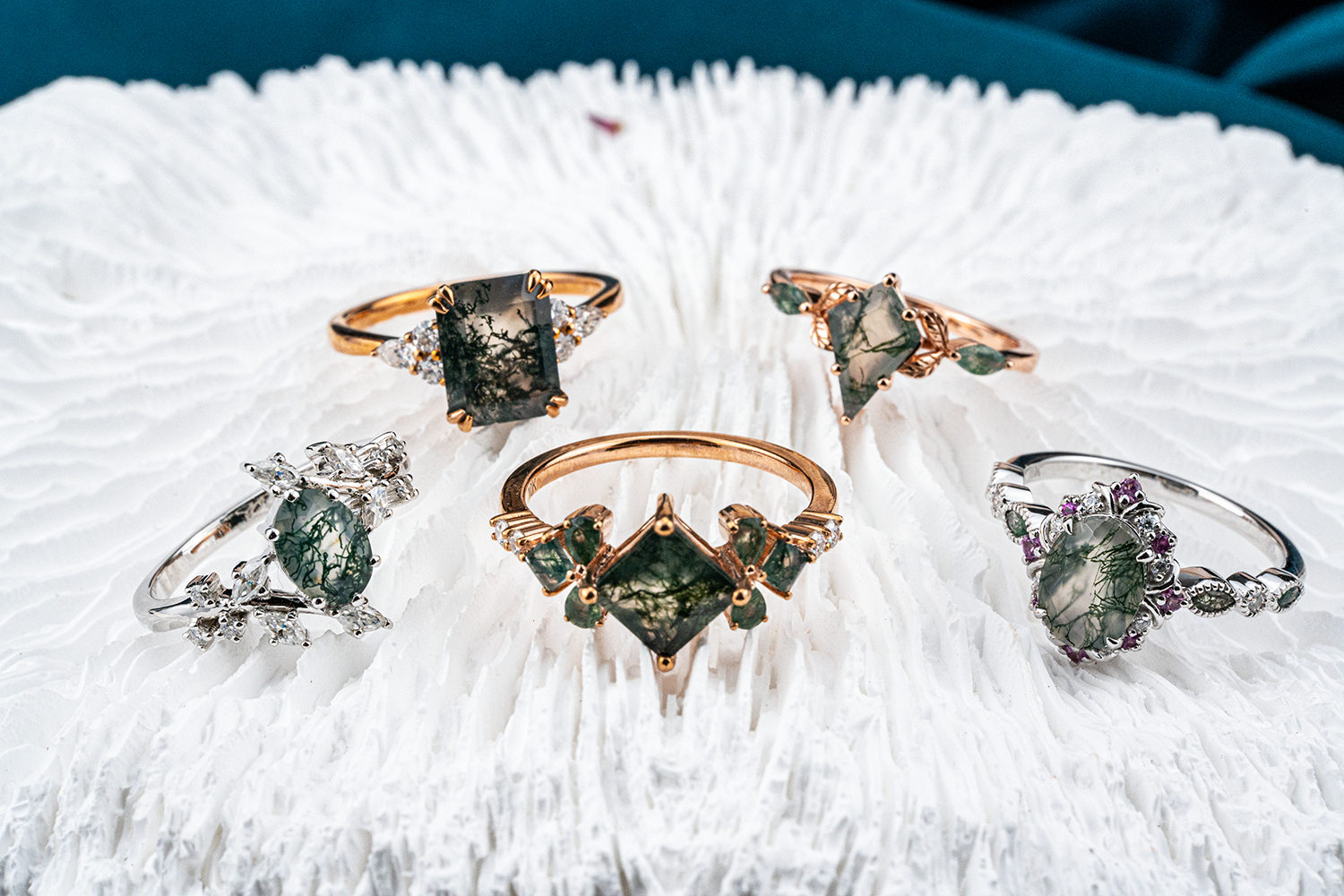
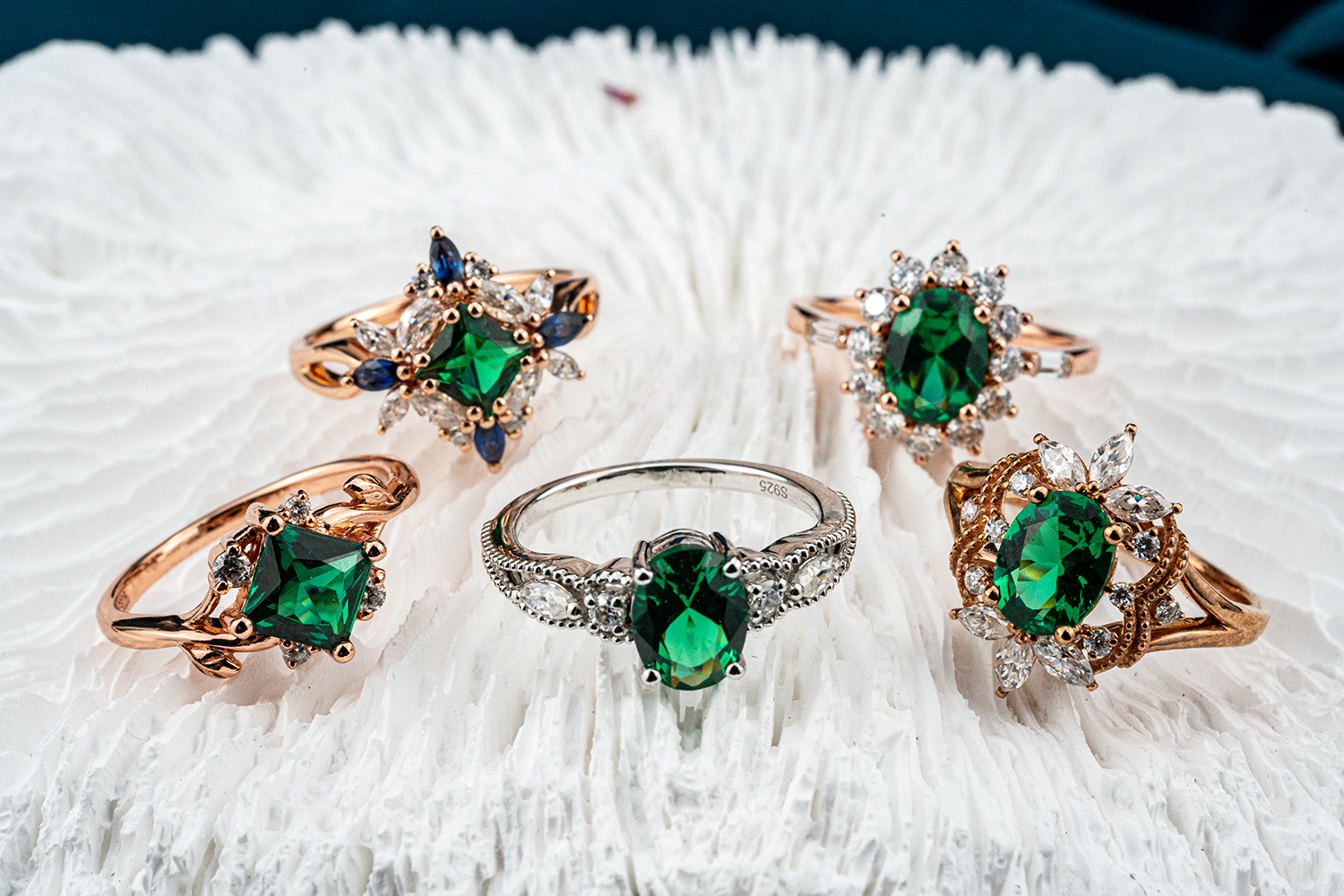
GemifySpace shoppers can begin with the Engagement & Wedding Rings collection for a broad view, then narrow the search through focused collections such as Moss Agate Rings, Nature-Inspired Rings, Moissanite Rings or Lab Alexandrite Rings.
Compare Gemstones With Daily Wear in Mind
Color and symbolism matter, but so do lifestyle and care. A customer who wants strong brilliance and frequent wear may prioritize moissanite or lab-grown diamond. Someone drawn to one-of-a-kind natural patterns may prefer moss agate or salt-and-pepper diamond and accept more mindful wear. Alexandrite offers shifting color, while black onyx creates a bold, opaque look but requires protection from hard impact.
Ask three practical questions:
-
Will the ring be worn every day or mainly for selected occasions?
-
Is the wearer comfortable removing it for exercise, cleaning, gardening and other hands-on activities?
-
Do they prefer clear sparkle, color change, opaque color or natural inclusions?

Week 6–8: Confirm the Ring Size and Final Design
A beautiful ring still needs to fit. Sizing deserves its own planning stage because guessing can create stress after the proposal.
Measure the Correct Finger
Measure the exact finger on which the ring will be worn. Fingers on opposite hands can differ, and fit changes with temperature, time of day, band width and swelling. A wider band or stacked ring set can feel tighter than a delicate single band.
The most reliable option is a professional measurement at a local jeweler. If that would reveal the surprise, borrow a ring that fits the correct finger and compare its internal diameter, or ask a trusted friend or family member who can find out discreetly.
GemifySpace uses US ring sizes by default. The Ring Size Guide explains home measurement methods and notes that, when a measurement falls between sizes, the larger size may be more comfortable. Review the instructions carefully before submitting the order.
Do Not Assume Resizing Will Be Simple
Some rings can be resized more easily than others. Full-eternity bands, continuous gemstone settings, complex engraved designs and certain ring sets may have limited resizing options. A major size correction can also change the position of decorative details.
If the size is uncertain, ask before ordering rather than relying on a future alteration. For a surprise proposal, it may be wiser to choose the best verified estimate and keep the proposal plan flexible about immediate daily wear.

Choose the Gold Karat and Color
GemifySpace rings are offered in real 10K, 14K and 18K gold, depending on the design. Each option changes color, feel, price and alloy composition.
-
10K gold generally offers a practical balance of strength and a more accessible price.
-
14K gold is a popular middle ground for color, durability and everyday wear.
-
18K gold has a higher gold content and a richer, more luxurious gold character, but it is also softer than lower-karat alloys.
Yellow gold feels warm and classic. Rose gold brings gentle warmth. White gold creates a clean, cool look. A black finish over real gold offers dramatic contrast, but surface finishes can gradually show wear and may need professional maintenance.
Decide Whether to Buy the Wedding Band Now
If the engagement ring has a low setting, large center stone, pear, marquise, kite or other distinctive outline, a straight wedding band may not sit flush. Choosing a coordinated set now can prevent a difficult search later.
Browse GemifySpace Ring Sets if exact pairing matters, or read the Curved Wedding Band Guide to understand straight, contour, chevron and fitted options.
Week 4–6: Place the Order and Verify Every Detail
Before checkout, review the order as though changes will not be possible after submission.
Confirm:
-
product style and center-stone shape;
-
gemstone and accent-stone selections;
-
10K, 14K or 18K gold;
-
yellow, rose, white or black-finished gold;
-
US ring size;
-
engraving spelling and capitalization;
-
complete shipping address and phone number;
-
production and shipping estimates; and
-
the return, exchange and customization conditions that apply to the order.
Save your confirmation and watch for follow-up messages. If the jeweler needs approval or clarification, a delayed reply can pause progress.
When a Rush Order May Help
A rush option can be useful when the proposal date is close, but it should not replace careful planning. Confirm what the faster service changes—production, shipping or both—and remember that carrier transit can still be affected by destination and local conditions.
If the ring cannot reasonably arrive with a safe buffer, consider proposing with a temporary symbolic item and choosing the permanent ring together afterward. Preserving the meaning of the proposal is better than making a high-value purchase under avoidable pressure.
Week 2–4: Production, Quality Checks and Shipping
Once production begins, avoid introducing new design decisions. This stage is for the ring to be made, finished and checked according to the confirmed order.
A useful quality check considers more than appearance. The center stone should be seated securely, prongs should be even and smooth, accent stones should be stable, the ring should match the selected size and metal, and the surface finish should be clean.
When tracking becomes available, choose a delivery location where the parcel can be received securely without spoiling the surprise. Do not redirect a valuable shipment casually, and avoid leaving it unattended outdoors.

Week 1–2: Inspect and Store the Ring Safely
Open the parcel in a clean, well-lit space. Compare the ring with the order confirmation and check:
-
gemstone shape, color and natural variation;
-
gold color and finish;
-
engraving, if ordered;
-
overall symmetry and stone security;
-
ring size label or documentation; and
-
the condition of the presentation box and packaging.
Natural gemstones can vary from product photography, especially stones with inclusions, color zoning or changing color. Variation is not automatically a defect; it is often part of the stone’s character. However, contact the seller promptly if the received ring does not match the confirmed order.
Store the ring in its closed box in a dry, secure place. Keep it separate from harder jewelry that could scratch the metal or gemstone. If you will fly with the ring, keep it in your carry-on rather than checked luggage and research any relevant security or customs considerations for the route.
A Proposal-Ready Checklist
Before the final week, make sure the practical details are finished:
-
The ring arrived and was inspected.
-
The selected size is based on a reliable measurement.
-
The ring box fits securely in your planned pocket or bag.
-
Travel and weather alternatives are prepared.
-
A photographer or trusted helper knows the timing, if involved.
-
The ring is insured or otherwise protected according to your needs.
-
You know how you will carry and store it before the proposal.
-
Your words and the meaning of the moment matter more than staging a perfect photograph.
What If You Need an Engagement Ring Quickly?
Start by separating the decisions that are essential from those that are optional. The correct size, secure setting and acceptable arrival date matter more than engraving, elaborate modification or a complicated reveal.
Choose a design with clearly stated timing, confirm availability before ordering, provide complete information immediately and respond quickly to questions. Avoid selecting a ring only because it is fast if it does not match the wearer’s style or lifestyle.
For a starting point, explore GemifySpace Best Selling Rings or the wider Engagement & Wedding Rings collection, then verify the current estimate on the individual product page.
Final Thoughts: Give the Ring—and Yourself—Enough Time
The best engagement ring timeline is generous enough for thoughtful choices and flexible enough for real-world delays. Beginning the search 8–12 weeks before the proposal, ordering at least 4–6 weeks ahead, and protecting a 1–2 week delivery buffer is a practical framework for many made-to-order purchases. Your ring may require more or less time, so the individual product details and confirmed order schedule should always take priority.
Early planning does not make the proposal less spontaneous. It simply keeps production and shipping from deciding the date for you.
Ready to begin? Explore GemifySpace Engagement & Wedding Rings to compare gemstone rings, bridal sets and meaningful designs in real 10K, 14K and 18K gold—then work backward from the day you want to make unforgettable.
Frequently Asked Questions
How many months before a proposal should I buy the ring?
Beginning the search two to three months before the proposal gives many shoppers enough time to compare designs, confirm the size and place a made-to-order purchase. Aim to order at least four to six weeks ahead when possible, then add more time for customization, seasonal shipping or fixed travel dates.
How long does it take to make an engagement ring?
Timing varies by jeweler and design. Current GemifySpace product pages commonly show estimated production of approximately one to two weeks, but customization, special sizing and order volume may affect the schedule. Check the individual listing and confirm timing before ordering for a fixed date.
Should I buy an engagement ring before planning the proposal?
You can choose the date first, but order the ring early enough that its arrival is not the final dependency. A useful approach is to select a general proposal window, order the ring with a delivery buffer and finalize non-refundable plans after the timeline is clear.
Can an engagement ring arrive in two weeks?
Some rings may be available within that period, but a two-week window is risky for a made-to-order piece because production and shipping are separate. Ask about current availability, destination transit and rush options before relying on a short deadline.
What if I do not know the ring size?
A professional measurement is most reliable. For a surprise, use a ring that fits the correct finger, seek discreet help from someone trusted or follow a careful home-measurement guide. Do not assume every design can be resized easily after the proposal.
Does customization add time to an engagement ring order?
It can. Gemstone changes, special sizes, engraving and design adjustments may require confirmation or additional work. Submit complete, accurate details before production and allow more buffer than you would for a standard configuration.
Should I order the wedding band at the same time?
Ordering a coordinated set is useful when the engagement ring has a low profile, wide center setting or distinctive shape that may not fit a straight band. If you prefer to choose later, review side views and measurements so you understand what type of band will fit.
When should I order for a holiday proposal?
Order earlier than the normal minimum because production volume and carrier traffic can increase around major holidays. For a late-December proposal, beginning the search in September or October and ordering by early November—or earlier for customization—creates a safer plan than waiting until December.