
Article: Sapphire Engagement Rings: Natural vs. Lab-Grown, Colors, Durability & How to Choose

Sapphire Engagement Rings: Natural vs. Lab-Grown, Colors, Durability & How to Choose
A sapphire engagement ring brings rich color to a piece of jewelry designed to be worn for years. Blue is the best-known sapphire color, but sapphire also appears in pink, yellow, green, purple, orange and colorless varieties. This range makes it possible to choose a ring that feels classic, romantic, modern or completely personal.
Sapphire is also practical for bridal jewelry. It belongs to the corundum mineral family and ranks 9 on the Mohs scale of hardness, giving it strong resistance to everyday scratching. Hardness is not the same as being indestructible, however. A sapphire can still chip if it receives a hard blow, and the security of the setting remains just as important as the stone itself.
This guide explains the differences between natural and lab-grown sapphire, what to look for in color and cut, how gold changes the look of the stone, and how to care for a sapphire ring after you choose it.
Why Choose a Sapphire for an Engagement Ring?
Sapphire offers a useful balance of beauty, individuality and durability. It is a strong choice for someone who wants noticeable color without selecting a softer gemstone that requires more cautious wear.
People often choose sapphire engagement rings because they offer:
-
Distinctive color: Blue sapphire creates a clear visual focal point, while fancy-color sapphires provide less traditional options.
-
Everyday practicality: Sapphire's hardness makes it suitable for frequently worn jewelry when paired with a secure setting and sensible care.
-
Flexible design: Sapphire works in solitaire, halo, three-stone, vintage-inspired, botanical and bridal-set designs.
-
Personal meaning: Sapphire is the September birthstone and is commonly associated with loyalty, sincerity and enduring commitment.
-
A choice of origins: Shoppers can compare natural and laboratory-grown sapphire according to their priorities, preferred appearance and budget.
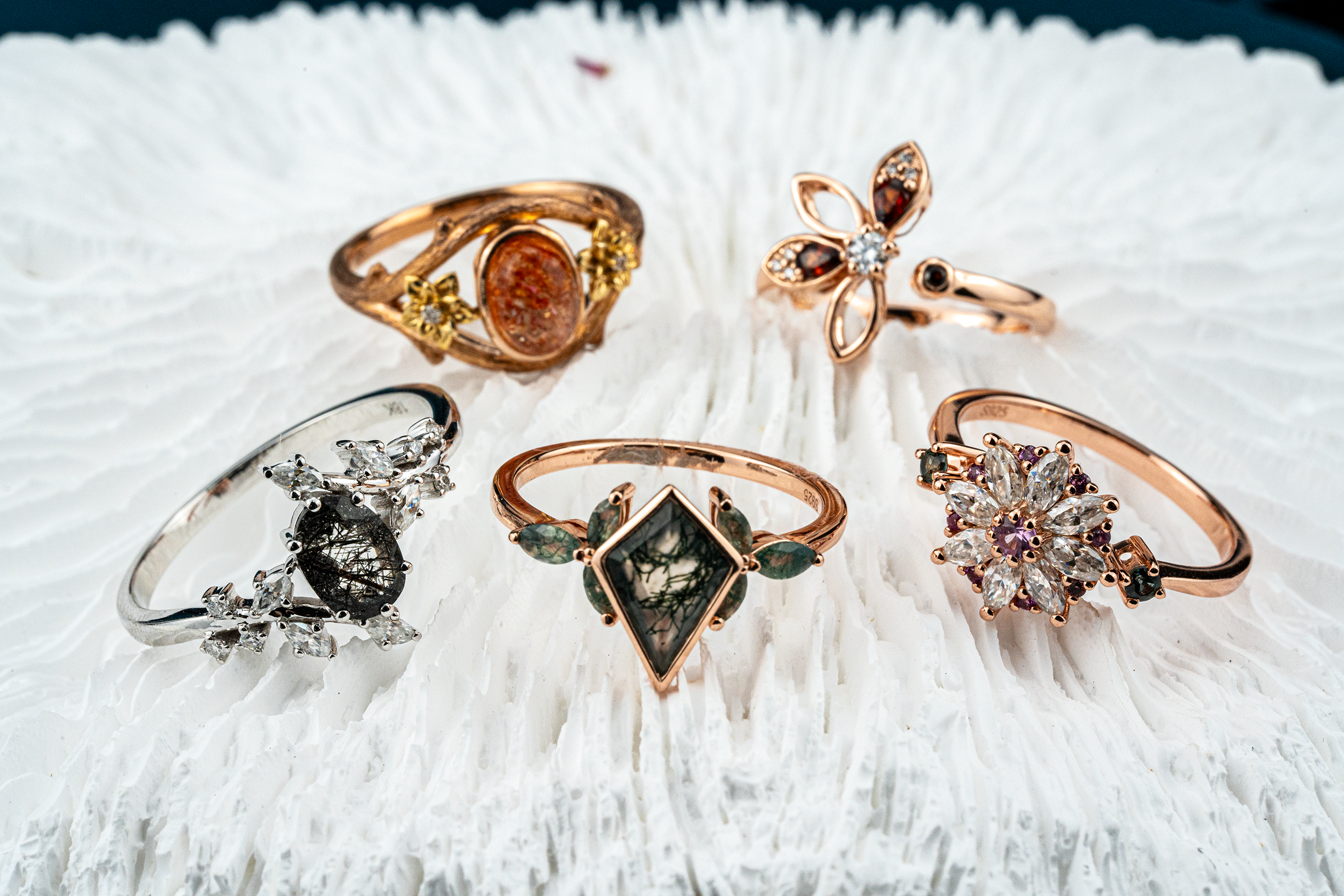
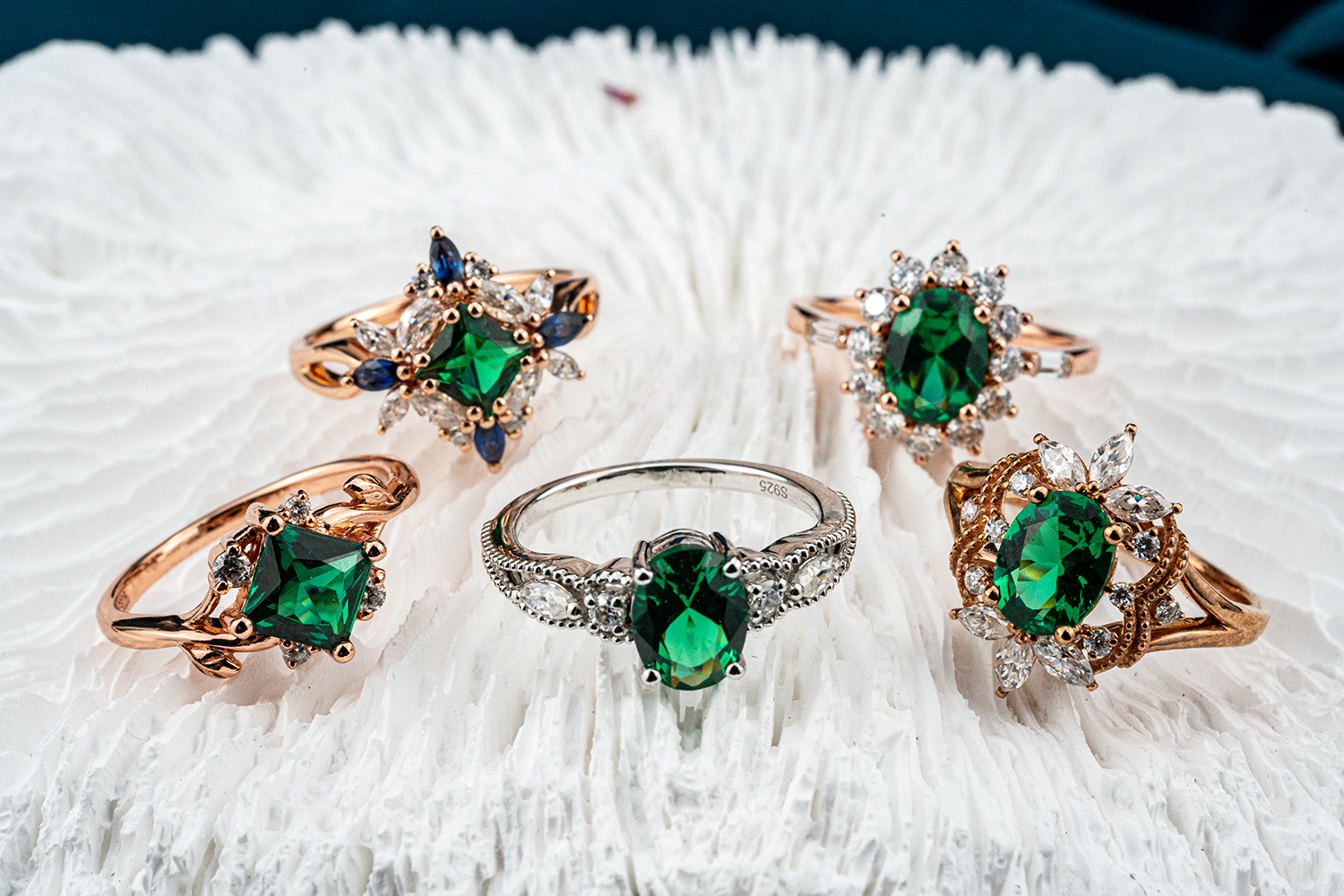
If you already know that blue is your color, browse the GemifySpace Sapphire Rings collection while reading this guide. Comparing several designs side by side makes differences in stone shape, setting height and accent details easier to understand.
Natural vs. Lab-Grown Sapphire: What Is the Difference?
Natural sapphire forms within the earth. Laboratory-grown sapphire is created in a controlled environment, but it is still sapphire: it has essentially the same chemical, physical and optical properties as its natural counterpart. It should not be confused with blue glass or another material used only to imitate sapphire.
The key difference is origin, not whether one is “real” and the other is “fake.” A responsible product description should clearly disclose whether a sapphire is natural or laboratory-grown and identify known treatments where relevant.
Natural Sapphire
Natural sapphire appeals to buyers who value geological origin and the individual internal characteristics created during formation. Natural stones may show inclusions, color zoning or subtle variation. These features can add character, although very visible inclusions or a poor cut can reduce transparency and brightness.
Natural sapphire can vary widely in price. Color quality, size, clarity, cut, treatment and—in exceptional stones—geographic origin may all affect value. Many natural sapphires are heat treated to improve color or clarity; heat treatment is widely accepted in the trade, but disclosure still matters.
Lab-Grown Sapphire
Lab-grown sapphire is a strong option for someone who wants sapphire's color and durability with more control over appearance and price. It may allow a buyer to choose a larger or more saturated center stone within the same overall budget, or to direct more of the budget toward the gold setting and craftsmanship.
Laboratory-grown does not automatically mean flawless, and visual quality still varies. Evaluate the face-up color, cut, transparency and overall balance of the finished ring rather than relying only on the origin label.
Which One Should You Choose?
Choose natural sapphire if geological rarity, natural growth features and traditional collecting value are central to your decision. Choose lab-grown sapphire if you prioritize a consistent look, a larger visual presence for the budget, or a clearly disclosed laboratory origin.
Neither choice is universally better. The right option is the one whose origin, appearance, price and disclosure match your expectations.

How to Evaluate Sapphire Color
For colored gemstones, color often makes the strongest first impression. A blue sapphire should look appealing in the lighting conditions in which you expect to wear it—not only under bright showroom lights.
Consider three parts of color:
-
Hue: The main color you see. Blue sapphire may lean slightly violet or green.
-
Tone: How light or dark the stone appears.
-
Saturation: The strength or intensity of the color.
A very dark stone can look almost black in normal indoor light, hiding its facets. A very pale stone may feel airy and modern but will not produce the same traditional royal-blue effect. There is no single correct shade; the best color is one you enjoy across daylight, indoor light and shade.
Ask for photos or video in neutral lighting when possible. Also remember that screen settings and editing can change perceived color, so expect some variation between a digital image and the stone viewed in person.
Choose a Sapphire Shape That Fits Your Style
Shape changes both the personality of a ring and how large the stone appears on the finger.
Oval Sapphire
An oval sapphire feels graceful and timeless. Its elongated outline can create more visible face-up area and visually lengthen the finger. It works well in solitaires, halos and nature-inspired settings.
Pear Sapphire
A pear-shaped sapphire combines a rounded end with a pointed tip. It feels romantic and directional, but the tip benefits from a protective prong or bezel detail.
Cushion Sapphire
A cushion sapphire has a square or rectangular outline with softened corners. It can feel vintage, substantial and balanced, especially in a halo setting.
Round Sapphire
Round sapphire offers a familiar, symmetrical look. It is easy to pair with straight or curved wedding bands and works across minimalist and ornate settings.
Geometric Sapphire
Kite, hexagon and other geometric shapes feel more alternative. Pay close attention to symmetry, protected corners and how the wedding band will sit beside the engagement ring.
Browse GemifySpace Engagement and Wedding Rings if you want to compare sapphire shapes with other bridal gemstones and settings.

Setting Style Matters as Much as the Stone
The setting determines how securely the sapphire is held, how high it sits and how it will pair with a wedding band.
Solitaire
A solitaire keeps attention on sapphire color and shape. It is visually clean, but inspect the prongs and gallery from the side to understand protection and height.
Halo
A halo adds a border of accent stones and can make the center appear more prominent. It also creates a brighter overall look around a deep blue sapphire. Explore GemifySpace Halo Rings for examples of framed center-stone designs.
Three-Stone or Side-Stone
Side stones add width and sparkle. Pear, marquise or round accents can soften or sharpen the sapphire's outline depending on their arrangement.
Nature-Inspired
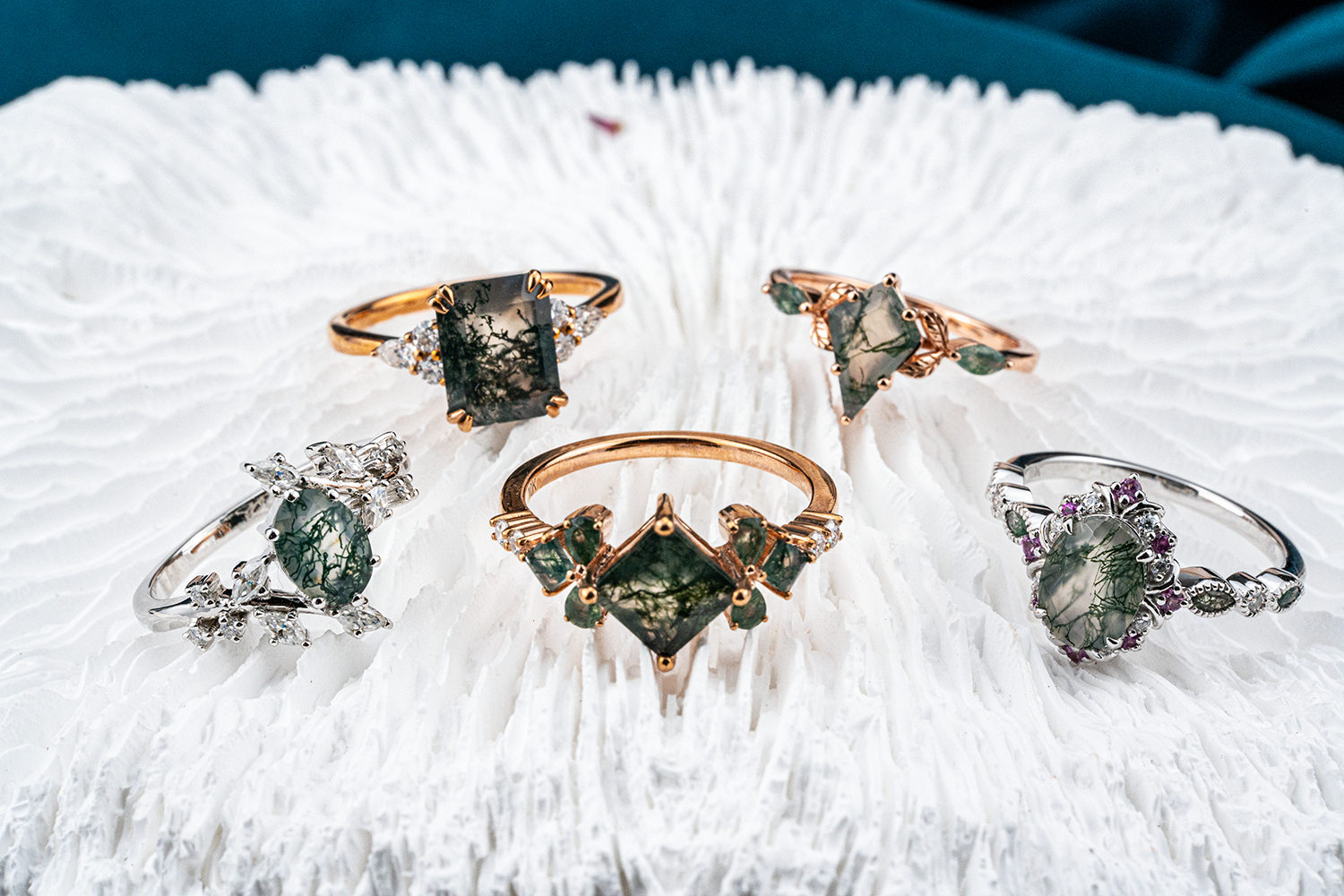
Leaf, floral and vine details create a more organic silhouette. Make sure decorative points are smooth enough for your lifestyle and that delicate areas do not catch easily on clothing. The Nature-Inspired Rings collection offers related botanical settings.
Matching Bridal Set
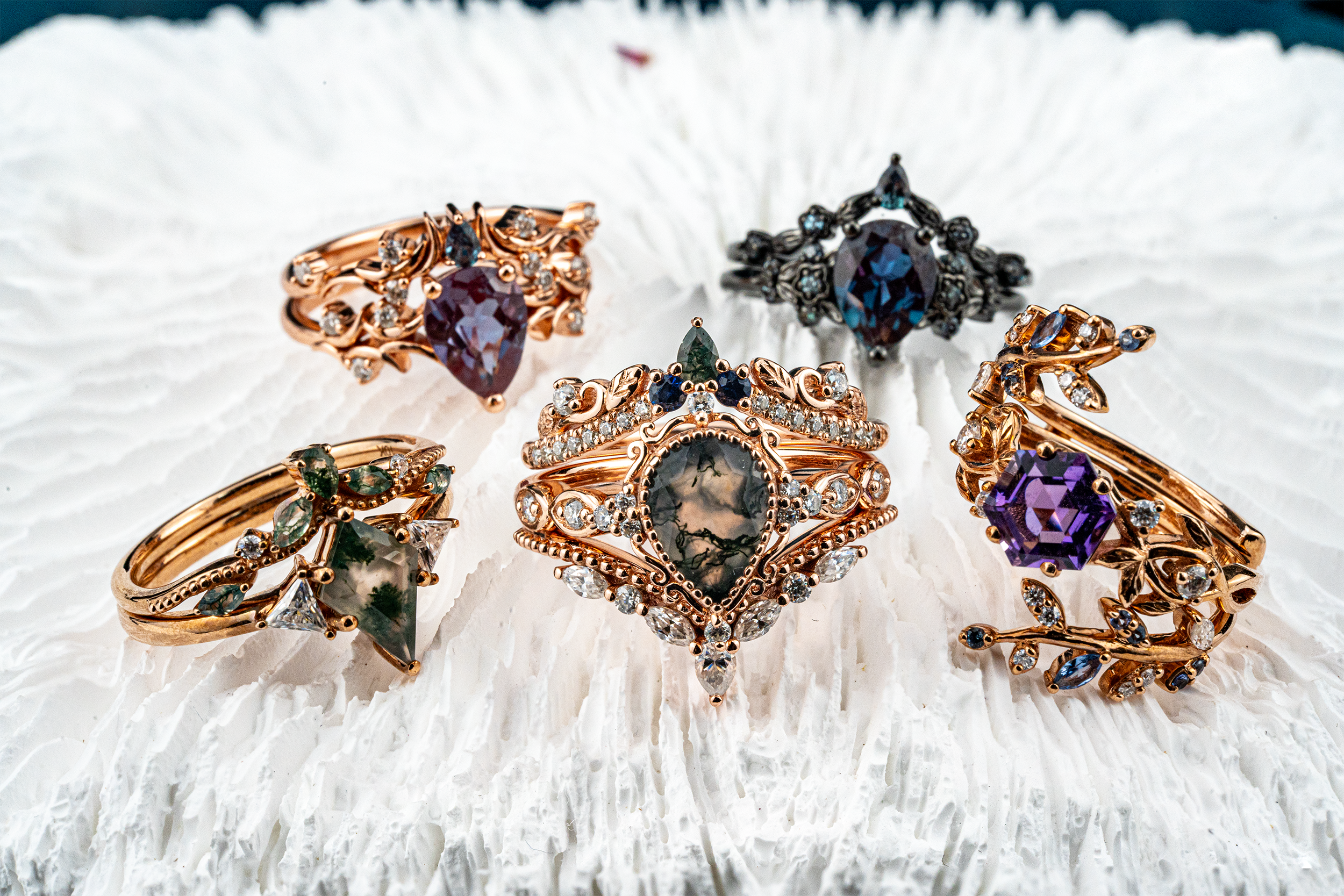
A matching set solves one of the most common fit questions: whether the wedding band will sit comfortably with the engagement ring. If you prefer an intentional stacked look, compare the GemifySpace Bridal Ring Sets before choosing a ring separately.
Which Gold Color Looks Best with Blue Sapphire?
Gold color changes the mood of blue sapphire even when the gemstone stays the same.
-
Yellow gold creates a warm, classic contrast. It can make blue appear richer and gives the ring a timeless fine-jewelry feeling.
-
Rose gold adds soft warmth and romance. The contrast can feel less traditional and especially flattering with floral or vintage-inspired details.
-
White gold creates a cool, crisp frame that emphasizes blue and works naturally with colorless accent stones.
-
Black gold produces the strongest contrast and a more dramatic alternative look. Because black finishes can require maintenance over time, review the specific product details and care expectations before ordering.
GemifySpace designs may be available in 10K, 14K or 18K gold and in multiple gold colors, depending on the ring. Gold karat affects color, alloy composition, price and wear characteristics. Choose the exact combination offered on the product page rather than assuming every design has identical options.

Is Sapphire Durable Enough for Everyday Wear?
Sapphire ranks 9 on the Mohs scale, below diamond but above many popular colored gemstones. This makes it highly resistant to scratching and a practical center stone for an engagement ring.
Still, three habits matter:
-
Remove the ring for high-impact work. Gym equipment, moving furniture, gardening and heavy tools can damage prongs or chip a stone through impact.
-
Check the setting regularly. A durable sapphire can still be lost if a prong is bent or worn.
-
Store pieces separately. Sapphire can scratch softer gemstones and metals, so use an individual compartment or soft pouch.
If you are hard on your hands, consider a lower-profile design, protective prongs around pointed corners, or a bezel-inspired setting. The most wearable ring is not simply the hardest stone; it is a stone, setting and lifestyle that work together.
How to Clean and Care for a Sapphire Ring
Warm, soapy water is the safest general home-cleaning method for sapphire.
-
Add a small amount of mild dish soap to warm—not hot—water.
-
Let the ring soak briefly if the product's treatment and setting allow it.
-
Use a very soft brush around the underside of the stone and setting, where lotion and debris collect.
-
Rinse carefully in a closed bowl rather than over an open drain.
-
Pat dry with a clean, lint-free cloth.
Avoid bleach, chlorine and harsh household cleaners. Although ultrasonic and steam cleaning can be suitable for some untreated or heat-treated sapphires, they are not appropriate for every treatment, inclusion pattern or setting. If you do not know the stone's treatment history, choose warm soapy water and ask a jeweler before using mechanical cleaning equipment.
Have the prongs, accent stones and band inspected periodically, especially if the ring is worn every day.
Sapphire Engagement Ring Buying Checklist
Before ordering, confirm the following:
-
Is the sapphire natural or laboratory-grown?
-
Are any known treatments disclosed?
-
Do you like the color in both bright and ordinary indoor light?
-
Does the cut show attractive brightness without a distracting dark or transparent center?
-
Are pointed corners protected by the setting?
-
Is the ring profile comfortable for your daily activities?
-
Will a straight wedding band sit flush, or is a curved band needed?
-
Which gold karat and color are selected?
-
Is the ring size confirmed before production?
-
What are the current production, shipping, return and customization terms?
For proposal planning, read When to Order an Engagement Ring and leave a sensible buffer rather than planning around the latest estimated arrival date.
Find Your Sapphire Ring at GemifySpace
The best sapphire engagement ring should feel convincing in three ways: you should love its color, trust its construction and understand exactly what you are buying. Origin matters, but it is only one part of the decision. Cut, setting, gold color, comfort and care will shape how the ring looks and wears every day.
Explore Sapphire Rings at GemifySpace to compare blue sapphire designs, lab sapphire styles, gold colors and bridal settings. Review the individual product page for the gemstone, gold and customization options available for each design.
Frequently Asked Questions
Is sapphire a good stone for an engagement ring?
Yes. Sapphire ranks 9 on the Mohs scale and has strong resistance to everyday scratching. It is a practical colored gemstone for frequent wear, although it can still chip from a hard impact and its setting should be maintained.
Is lab-grown sapphire real sapphire?
Yes. Laboratory-grown sapphire has essentially the same chemical, physical and optical properties as natural sapphire. Its origin is different and should be clearly disclosed.
Is natural sapphire always more beautiful than lab-grown sapphire?
No. Beauty depends on color, cut, transparency, proportions and personal preference. Origin can affect rarity and price, but it does not automatically determine which stone will look better to you.
Can sapphire be worn every day?
Sapphire is well suited to daily wear with reasonable care. Remove it during high-impact activities, keep it away from harsh chemicals and check the setting regularly.
What is the best gold color for a blue sapphire?
There is no single best choice. Yellow gold creates warm contrast, rose gold feels romantic, white gold looks cool and crisp, and black gold creates a dramatic frame. Compare the combinations in neutral light before choosing.
Are all blue sapphires the same shade?
No. Blue sapphire can range from pale or slightly greenish blue to violet-blue and deep royal blue. Tone and saturation strongly affect the face-up appearance.
Are sapphires treated?
Many natural sapphires are heat treated to improve color or clarity, and heating is widely accepted in the trade. Other treatments also exist, so ask for disclosure and care guidance for the specific stone.
How do I clean a sapphire engagement ring at home?
Use warm water, mild soap and a soft brush, then rinse carefully and pat dry with a lint-free cloth. If the treatment history is unknown, avoid ultrasonic and steam cleaners until a jeweler confirms they are appropriate.
Editorial Fact-Check Sources (not required in the published body)
-
GIA Sapphire Overview: https://www.gia.edu/sapphire
-
GIA Sapphire Buyer's Guide: https://www.gia.edu/sapphire/buyers-guide
-
GIA Sapphire Quality Factors: https://www.gia.edu/sapphire-quality-factor
-
GIA Sapphire Care and Cleaning: https://www.gia.edu/sapphire-care-cleaning

